Two walls, one legend
Battlements, barbicans, and a skyline etched against the Pyrenees.
Table of Contents
Origins of the fortified city
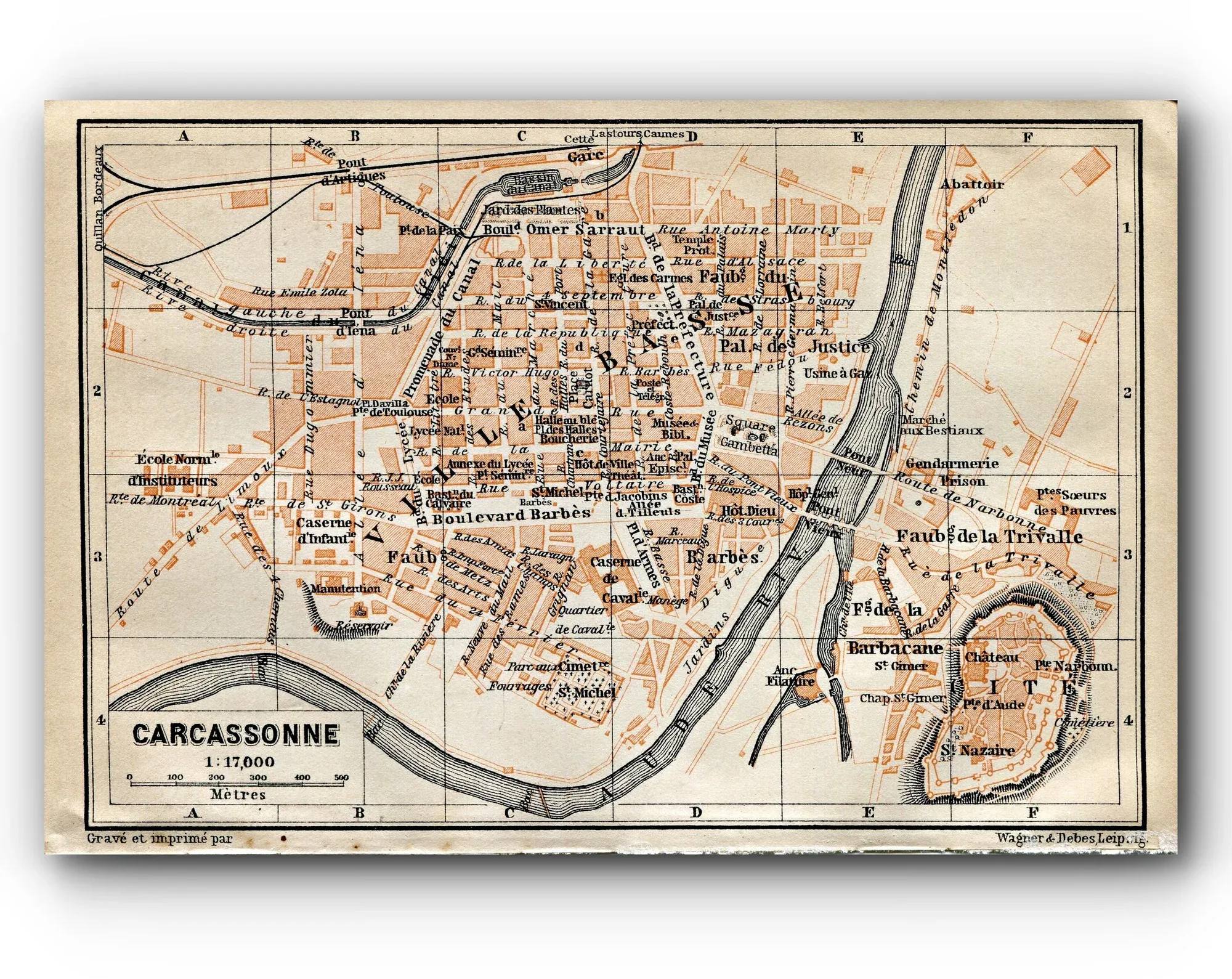
Carcassonne rises where foothills meet plains, a strategic crest above the Aude. Long before its fairytale silhouette drew travelers, this ridge anchored routes between the Atlantic and the Mediterranean, Spain and the rest of Gaul. Geography made it valuable; stone made it lasting.
The first defenses were humble earth and timber, a promise of what would come. Over centuries, the site hardened into towers and curtain walls, taking on the unmistakable outline that still commands the valley today.
From Romans to Visigoths
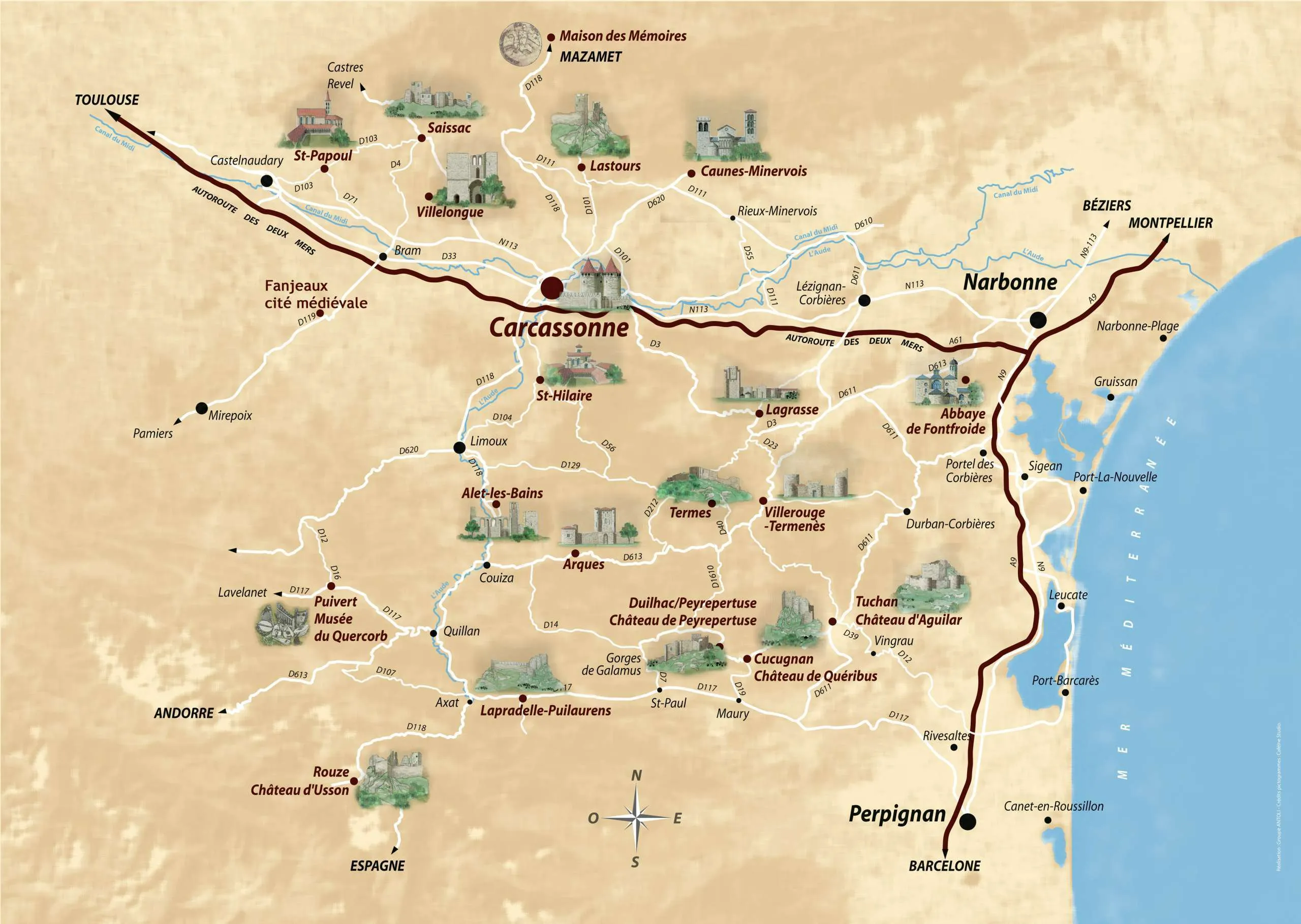
By the late Roman era, the oppidum at Carcassonne guarded a frontier of empire. The Visigoths, inheriting a fractured world, made it a cornerstone of their realm — repairs, reinforcements, and the long patience of stones under changing banners.
Power shifted, but the logic endured: whoever held Carcassonne controlled roads, rivers, and revenue. Each ruler left repairs and scars; the site learned to outlast them all.
Counts, Cathars, and crusade
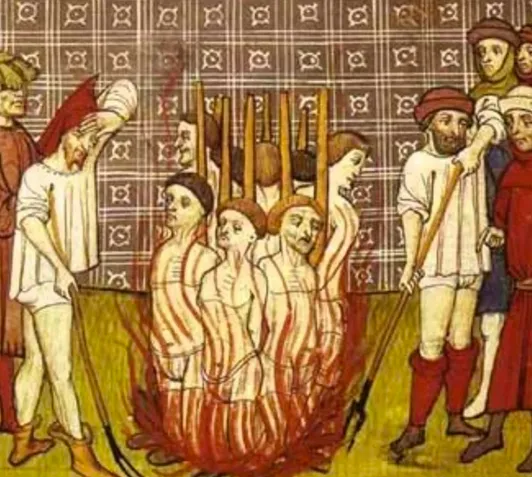
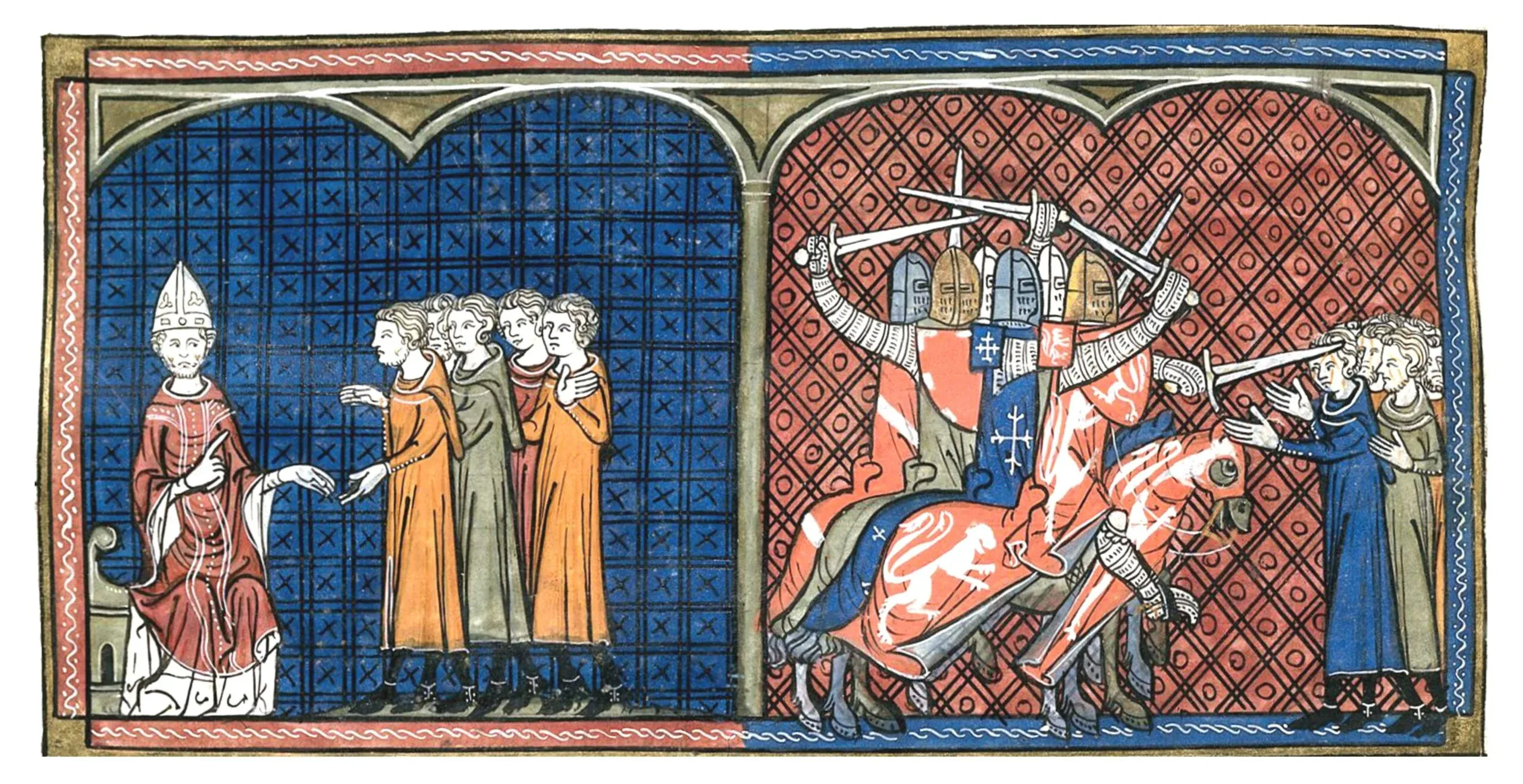
In the High Middle Ages, the Trencavel counts ruled from Carcassonne, their banners flying over markets and mills. Yet the Languedoc was also a crossroads of ideas, and the Cathar faith took root — a spiritual challenge that would summon armies.
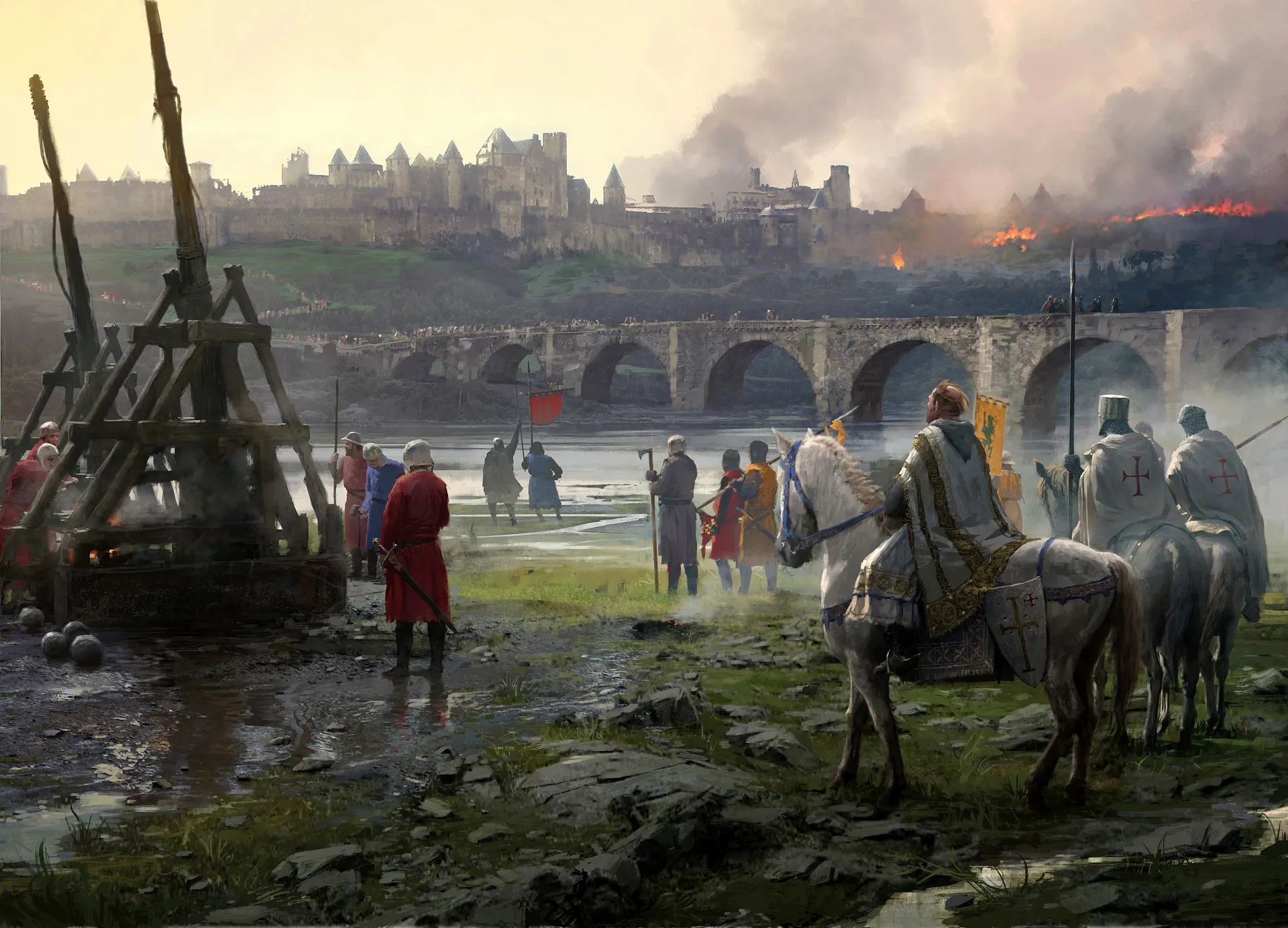
The Albigensian Crusade crashed against these walls with iron and fire. Sieges and surrenders, confiscations and reassignments — Carcassonne became both symbol and prize. Its stones remember the thunder of that century.
Royal bastion and border
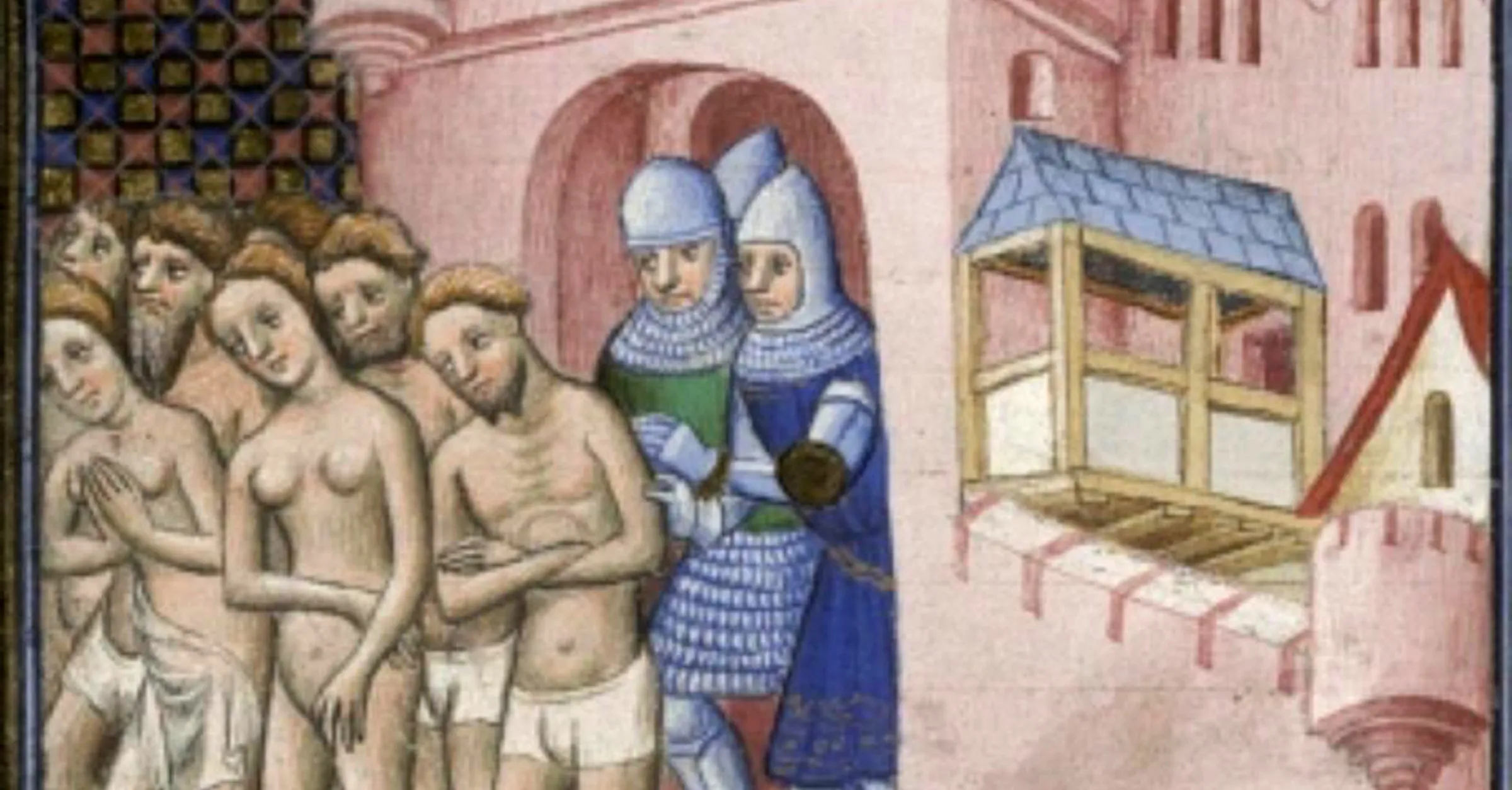
Folded into the French Crown, Carcassonne became a royal bastion on a volatile frontier with Aragon and later Spain. Engineers doubled down: a second ring of walls, improved gates, and lines of control that would deter, delay, and funnel any attacker.
The fortress was not just a shield but a statement — of authority, of architectural intelligence, and of a kingdom’s resolve at its southern doorstep.
Walls, towers & tactics
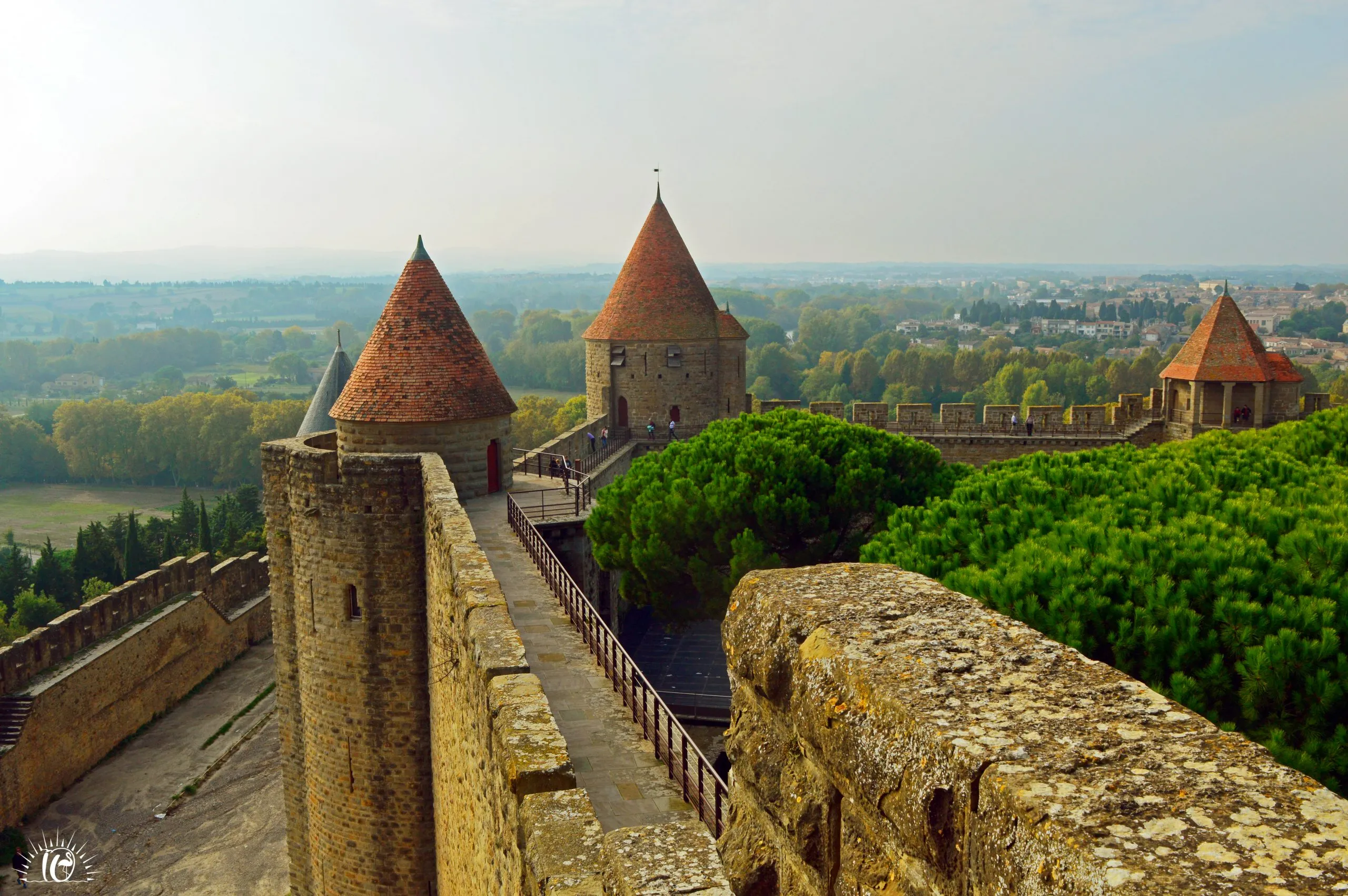
Carcassonne’s genius is layered defense: twin enceintes, 3 km of walls, barbicans that break momentum, and towers that command sightlines. Walk the ramparts and read the stone — machicolations, murder holes, and angles that refused easy approach.
From the Narbonnaise Gate to the Porte d’Aude, every turn tells a tactical story. The fortress did not merely withstand sieges; it trained them to fail.
Life within the ramparts
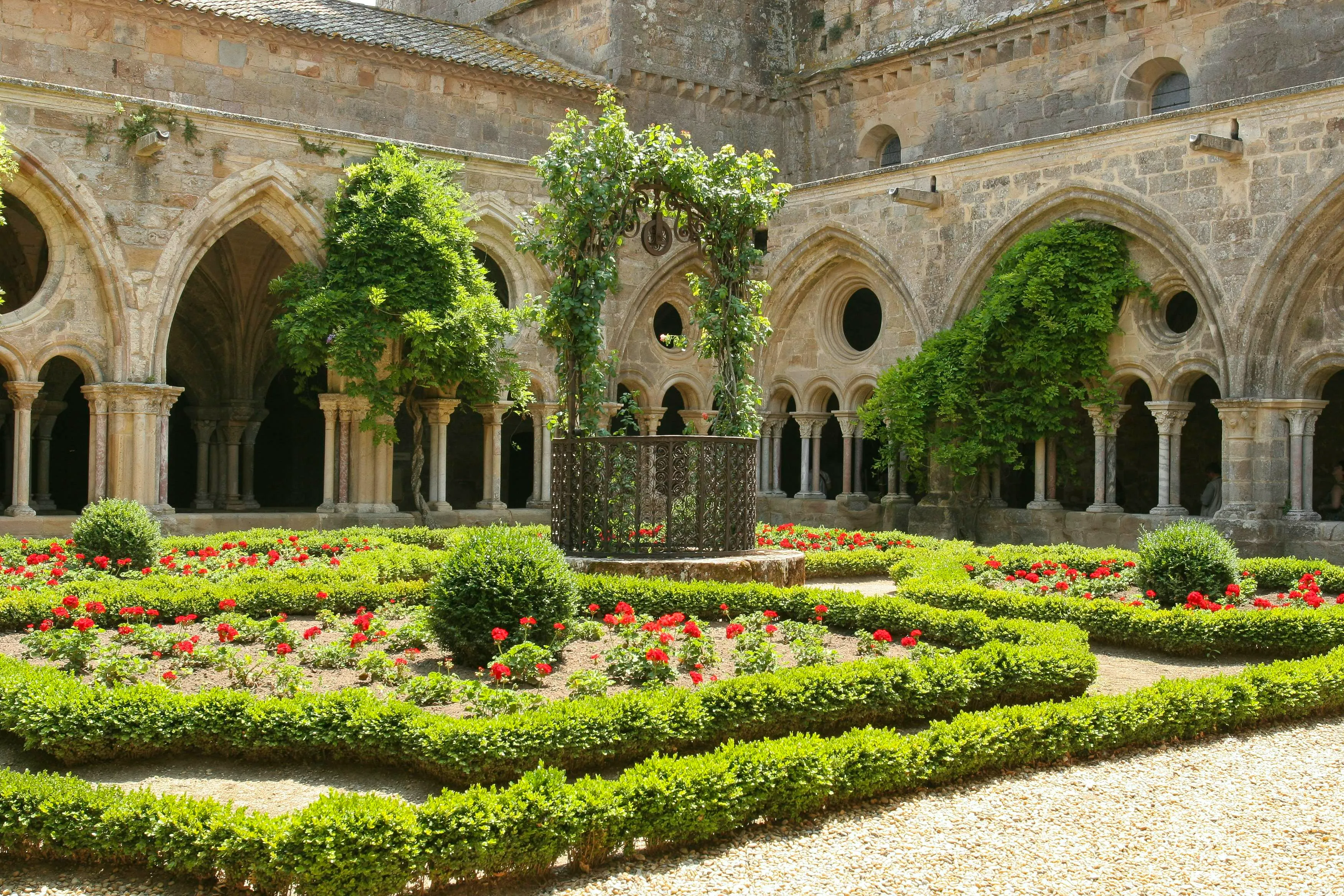
Beyond the battlements lay kitchens, workshops, chapels, and courtyards — the hum of a small city protected by stone. Merchants tallied goods from the plains; pilgrims and messengers traded news in the shade of towers.
Today the lanes still twist with intimacy. Step aside from the main drag and you may hear only your footsteps, a bell, and the low whisper of history. 😊
Decline, neglect, and survival
As borders calmed and artillery evolved, Carcassonne’s military role waned. The lower town grew in importance; the upper fortress risked abandonment, quarried for stone and left to the stubborn work of weather.
Yet it endured. Local voices and a changing sense of heritage stirred a movement: this silhouette, once purely strategic, had become cultural treasure.
Viollet‑le‑Duc’s restoration
In the 19th century, Eugène Viollet‑le‑Duc led a monumental restoration, guided by scholarship, imagination, and the aesthetics of his age. Slate roofs gave way to iconic conical caps; missing teeth of the battlements were carefully recut.
His work sparked debate — what is authentic, what is interpretation? — but also saved the fortress. Without it, the skyline we love might have been a rumor in old engravings.
Carcassonne in culture
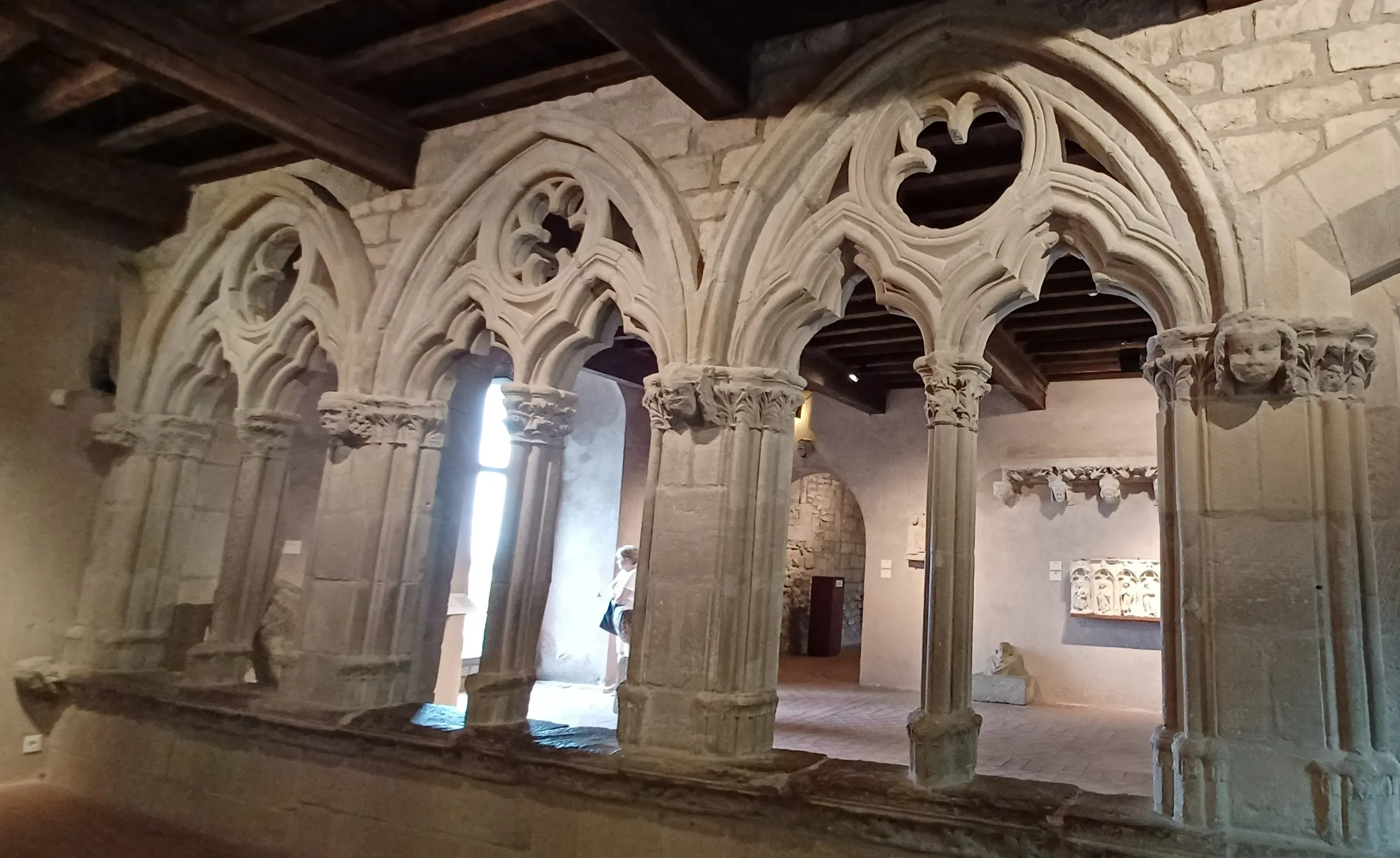
The fortress has inspired painters, poets, and filmmakers — a ready‑made stage for epics and romances. Summer festivals fill the night with music, while the walls glow like embers at sunset. 🌙
From guidebooks to grand cinema, Carcassonne is shorthand for ‘medieval’. Seeing it in person is to place yourself inside the picture.
Tickets, tours & routes
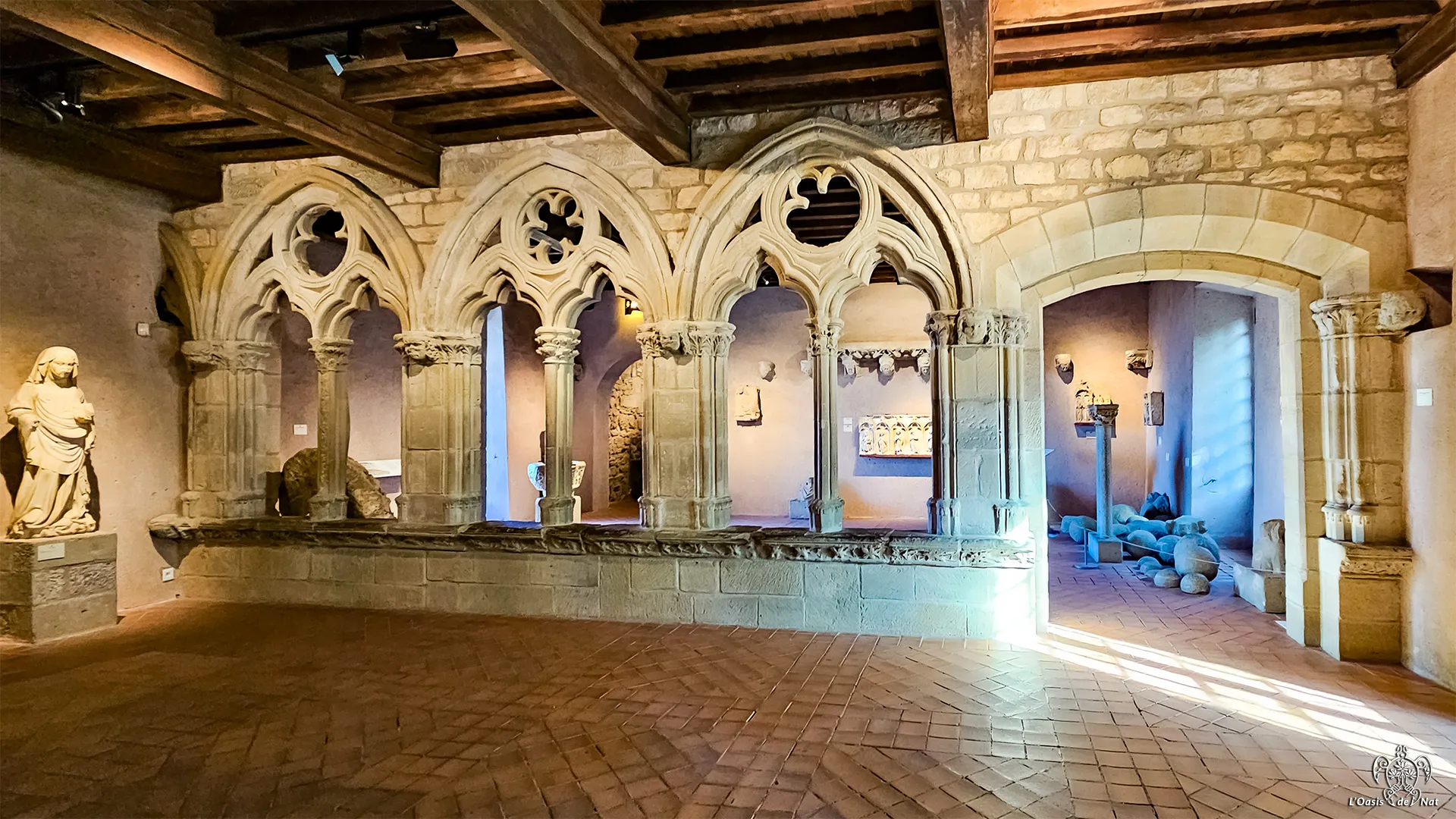
Book your preferred time for the castle and ramparts, especially in summer. Guided tours add context and open doors you might otherwise miss.
Suggested route: Narbonnaise Gate → Château Comtal → Ramparts walkway → Basilica of Saint‑Nazaire → Porte d’Aude outlook.
Preservation & sustainability
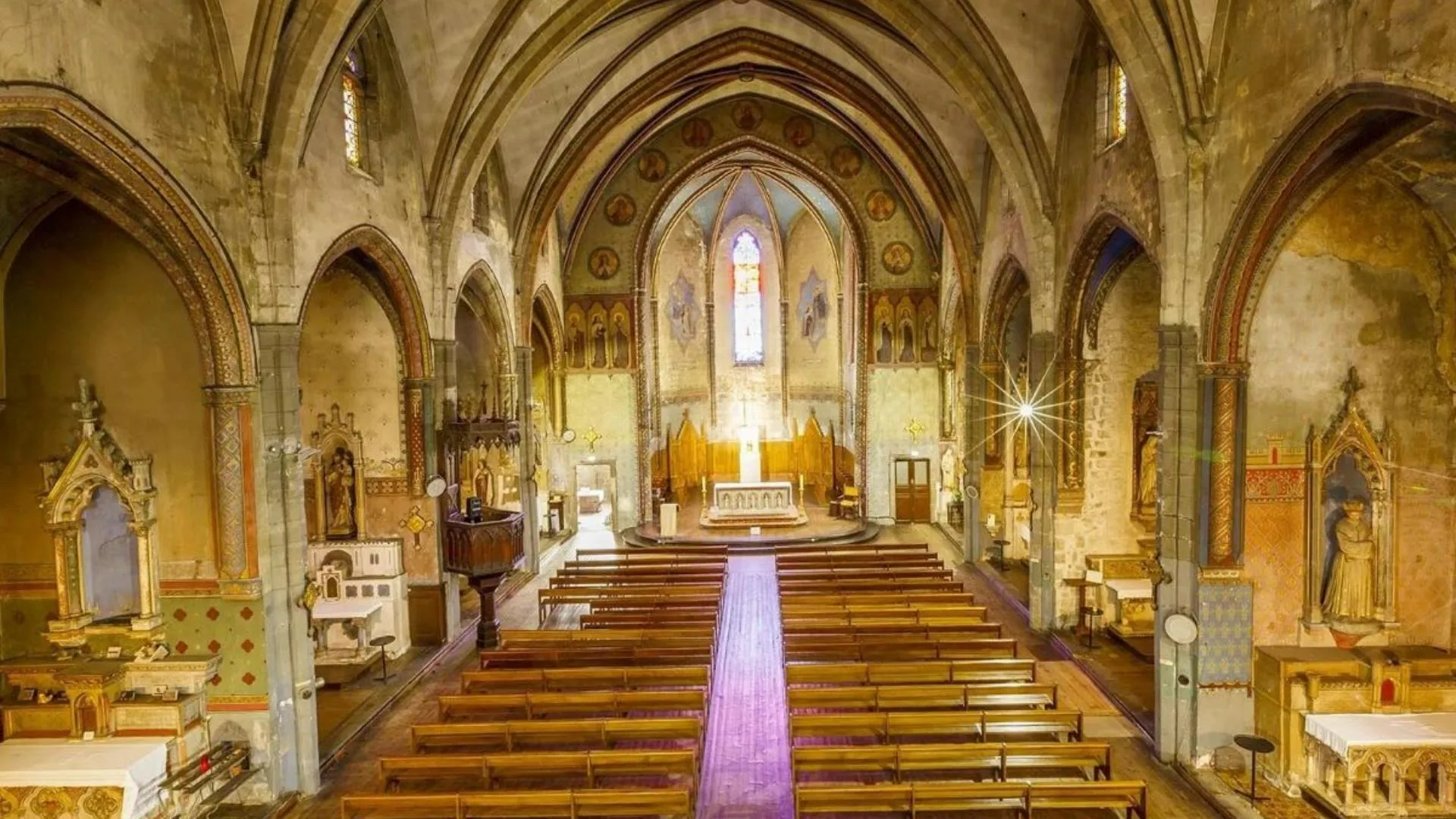
Ongoing maintenance protects fragile masonry from weather and wear. Respect barriers and stay on marked paths — the safest line also preserves the site for future travelers.
Visit off‑peak when you can, refill water bottles, and shop local — small choices keep the fortress lively and loved.
Lower town & the Canal du Midi
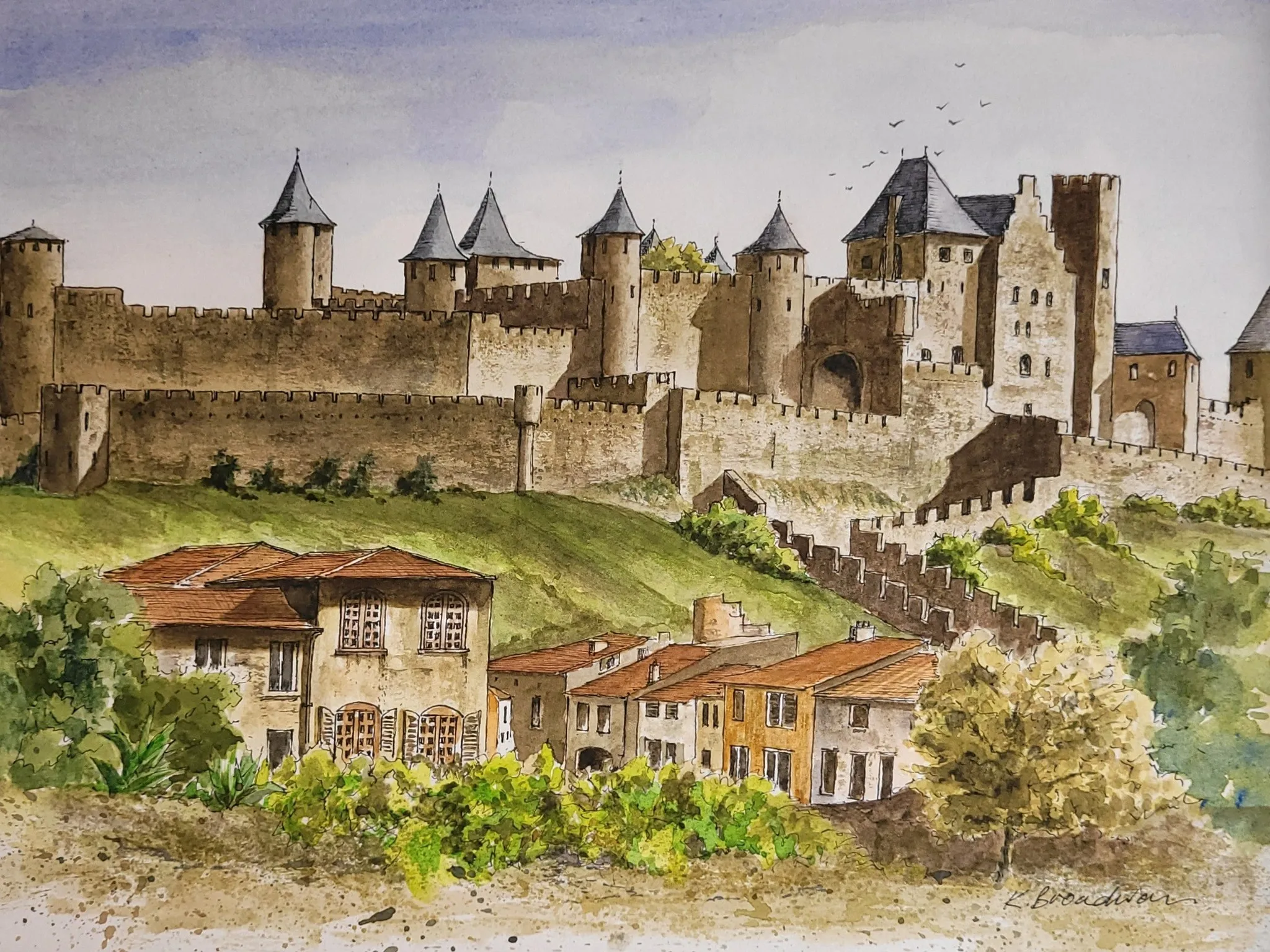
Walk down to the Bastide Saint‑Louis, the elegant ‘new’ town with shady squares and cafés. It’s a perfect counterpoint to the fortress above.
The UNESCO‑listed Canal du Midi drifts by — a gentle world of towpaths and plane trees, just minutes from the drama of the walls.
Why this fortress matters
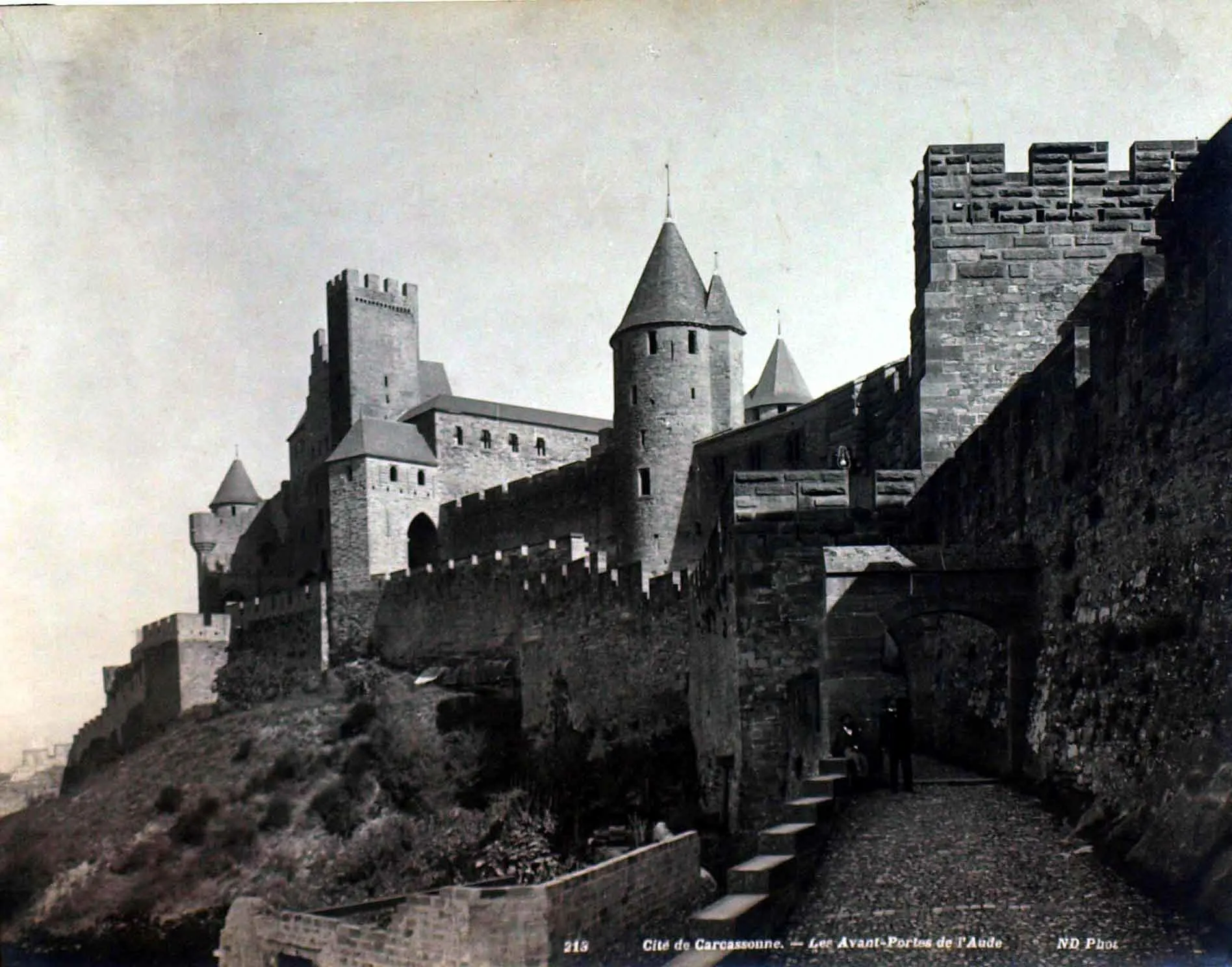
Carcassonne gathers a thousand years of European history into one skyline. It shows how stone can be strategy, symbol, and sanctuary.
Come for the views; stay for the stories — you’ll leave with both.
Table of Contents
Origins of the fortified city
Carcassonne rises where foothills meet plains, a strategic crest above the Aude. Long before its fairytale silhouette drew travelers, this ridge anchored routes between the Atlantic and the Mediterranean, Spain and the rest of Gaul. Geography made it valuable; stone made it lasting.
The first defenses were humble earth and timber, a promise of what would come. Over centuries, the site hardened into towers and curtain walls, taking on the unmistakable outline that still commands the valley today.
From Romans to Visigoths
By the late Roman era, the oppidum at Carcassonne guarded a frontier of empire. The Visigoths, inheriting a fractured world, made it a cornerstone of their realm — repairs, reinforcements, and the long patience of stones under changing banners.
Power shifted, but the logic endured: whoever held Carcassonne controlled roads, rivers, and revenue. Each ruler left repairs and scars; the site learned to outlast them all.
Counts, Cathars, and crusade
In the High Middle Ages, the Trencavel counts ruled from Carcassonne, their banners flying over markets and mills. Yet the Languedoc was also a crossroads of ideas, and the Cathar faith took root — a spiritual challenge that would summon armies.
The Albigensian Crusade crashed against these walls with iron and fire. Sieges and surrenders, confiscations and reassignments — Carcassonne became both symbol and prize. Its stones remember the thunder of that century.
Royal bastion and border
Folded into the French Crown, Carcassonne became a royal bastion on a volatile frontier with Aragon and later Spain. Engineers doubled down: a second ring of walls, improved gates, and lines of control that would deter, delay, and funnel any attacker.
The fortress was not just a shield but a statement — of authority, of architectural intelligence, and of a kingdom’s resolve at its southern doorstep.
Walls, towers & tactics
Carcassonne’s genius is layered defense: twin enceintes, 3 km of walls, barbicans that break momentum, and towers that command sightlines. Walk the ramparts and read the stone — machicolations, murder holes, and angles that refused easy approach.
From the Narbonnaise Gate to the Porte d’Aude, every turn tells a tactical story. The fortress did not merely withstand sieges; it trained them to fail.
Life within the ramparts
Beyond the battlements lay kitchens, workshops, chapels, and courtyards — the hum of a small city protected by stone. Merchants tallied goods from the plains; pilgrims and messengers traded news in the shade of towers.
Today the lanes still twist with intimacy. Step aside from the main drag and you may hear only your footsteps, a bell, and the low whisper of history. 😊
Decline, neglect, and survival
As borders calmed and artillery evolved, Carcassonne’s military role waned. The lower town grew in importance; the upper fortress risked abandonment, quarried for stone and left to the stubborn work of weather.
Yet it endured. Local voices and a changing sense of heritage stirred a movement: this silhouette, once purely strategic, had become cultural treasure.
Viollet‑le‑Duc’s restoration
In the 19th century, Eugène Viollet‑le‑Duc led a monumental restoration, guided by scholarship, imagination, and the aesthetics of his age. Slate roofs gave way to iconic conical caps; missing teeth of the battlements were carefully recut.
His work sparked debate — what is authentic, what is interpretation? — but also saved the fortress. Without it, the skyline we love might have been a rumor in old engravings.
Carcassonne in culture
The fortress has inspired painters, poets, and filmmakers — a ready‑made stage for epics and romances. Summer festivals fill the night with music, while the walls glow like embers at sunset. 🌙
From guidebooks to grand cinema, Carcassonne is shorthand for ‘medieval’. Seeing it in person is to place yourself inside the picture.
Tickets, tours & routes
Book your preferred time for the castle and ramparts, especially in summer. Guided tours add context and open doors you might otherwise miss.
Suggested route: Narbonnaise Gate → Château Comtal → Ramparts walkway → Basilica of Saint‑Nazaire → Porte d’Aude outlook.
Preservation & sustainability
Ongoing maintenance protects fragile masonry from weather and wear. Respect barriers and stay on marked paths — the safest line also preserves the site for future travelers.
Visit off‑peak when you can, refill water bottles, and shop local — small choices keep the fortress lively and loved.
Lower town & the Canal du Midi
Walk down to the Bastide Saint‑Louis, the elegant ‘new’ town with shady squares and cafés. It’s a perfect counterpoint to the fortress above.
The UNESCO‑listed Canal du Midi drifts by — a gentle world of towpaths and plane trees, just minutes from the drama of the walls.
Why this fortress matters
Carcassonne gathers a thousand years of European history into one skyline. It shows how stone can be strategy, symbol, and sanctuary.
Come for the views; stay for the stories — you’ll leave with both.